
Vedic Studies on Marriage Part 1
First of all, Hi all 👋
It's been quite sometime since I wrote anything on my blog.
I had a massive life-update — I'm getting married!! 💒✨
And the past 7–8 months it's been a roller-coaster where I've experienced a new found beauty and color to life when you are dating someone, coming from someone who never had a relationship in the past. It's hard to even imagine — that a person like me would have a Love Story to tell, but lo and behold, I do. 💑
Many people have love stories, marriage stories and maybe life stories. But I wanted to do something different, something no one else would have done. So I went back when it all started — the institution we call marriage. I found out that the third of the four Vedas has explained it in many contexts. So why rely on some Marriage counsel or Pre-marriage counseling (very popular these days), when you can just go and do the research yourself? 📿 I feel people are lazy to dig to understand the true essence of marriage as an institution and end up relying on some Love Guru or Relationship Pundit to understand about marriage. So let's dig in and see what actually is there in the verses of our Vedas. 🕉️
📜 Part 1: Pativedanam — Seeking a Compatible Spouse
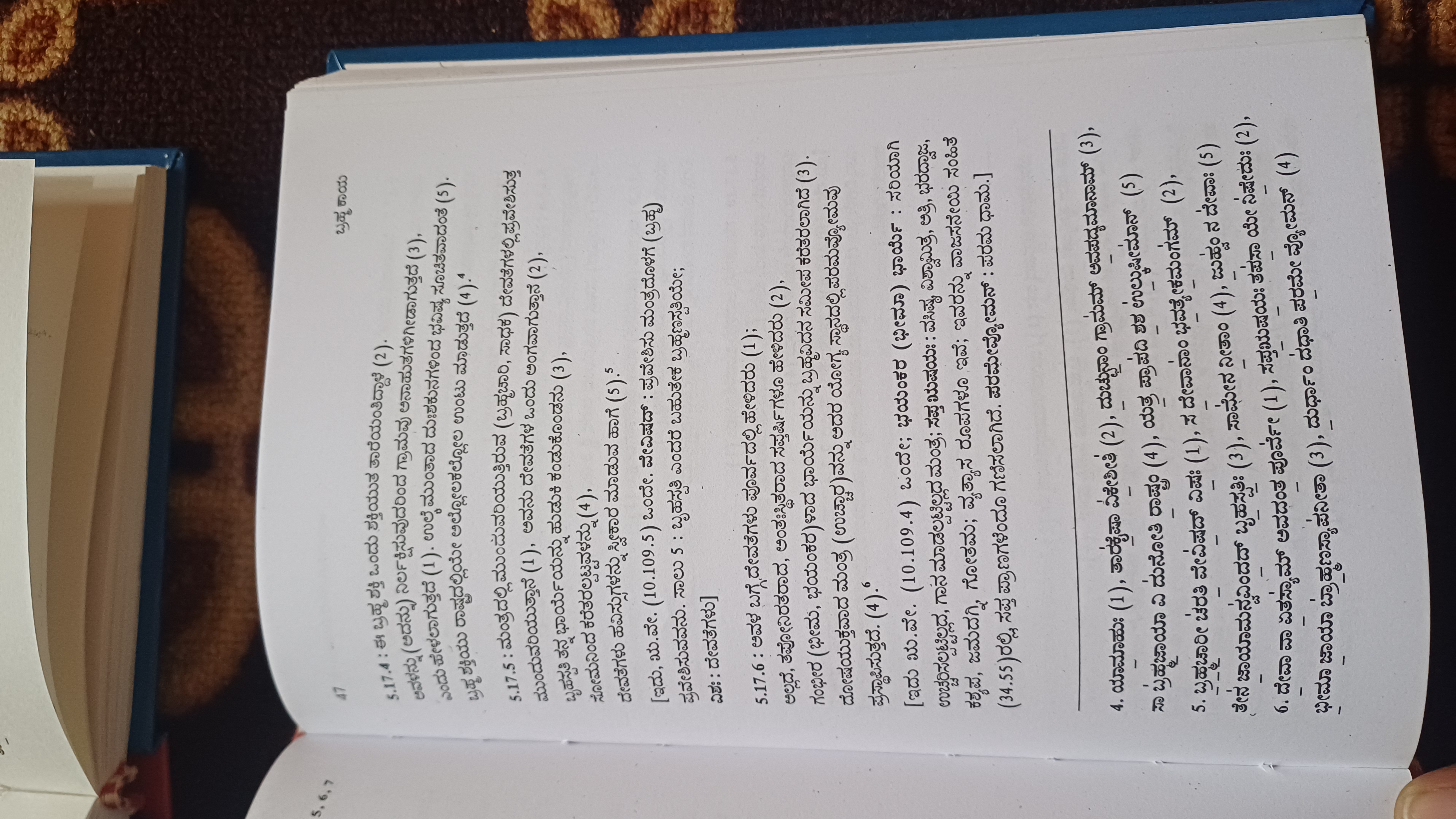
Below are the first and very beautiful selections from the Atharva Veda, Kanda 2, Sukta 36, which specifically focuses on "Pativedanam" — the seeking and securing of a compatible spouse and a happy domestic life.
The Kannada text clarifies that these verses are part of a prayer for "Dampatya Santosha" (marital bliss). 🌟
Verse 2.36.7
Sanskrit (Devanagari):
इदं हिरण्यं गुल्गुलु (१), अयमक्षो अथो भगः (२) | एते पतिभ्यस्त्वामदुः (३), प्रतिकामाय वेत्तवे (४) ||
English Transliteration:
Idaṃ hiraṇyaṃ gulgulu (1), ayam-akṣo atho bhagaḥ (2) | ete patibhyas-tvām-aduḥ (3), pratikāmāya vettave (4) ||
English Translation:
"This is gold, this is Guggulu (fragrant resin), this is the luster (Aksha), and this is Fortune (Bhaga). These have bestowed you upon potential husbands, so that you may be found by one who is well-matched to your desires."
Analysis & Institutional Context
- The Symbols of Prosperity: The verse mentions Gold and Guggulu. In the Vedic context, marriage is not just a social contract but an entry into a life of material and spiritual "shubha" (auspiciousness).
- Mutual Choice: The phrase pratikāmāya is significant. It implies a "reciprocal desire" or a "matching of minds," suggesting that the institution of marriage in the Atharvanic tradition emphasizes compatibility and mutual attraction.
Verse 2.36.8
Sanskrit (Devanagari):
आ ते नयतु सविता (१), नयतु पतिर्यः प्रतिकाम्यः (२) | त्वमस्यै धेह्योषधे (३) ||
English Transliteration:
ā te nayatu savitā (1), nayatu patir-yaḥ pratikāmyaḥ (2) | tvam-asyai dhehy-oṣadhe (3) ||
English Translation:
"May Savita (the Divine Impeller/Sun) lead you forward; may a husband who is desirable and compatible lead you. O Herb (Guggulu), do thou grant this (husband) to her."
Analysis & Institutional Context
- Divine Guidance: The invocation of Savita suggests that the union is guided by a higher intelligence or natural order. It frames marriage as a journey where the couple is "led" toward one another.
- Nature as Witness: The use of a "herb" (oshadhi) or natural element as a catalyst reflects the Vedic view that the entire universe (Prakriti) participates in and blesses the formation of a new household.
Comparison with the Kannada verse image:
The Kannada notes in the image below correctly identify Guggulu as a medicinal/sacred herb used widely. It also translates Bhaga and Ananda (joy), emphasizing that the goal of these mantras is the attainment of a husband who brings happiness and fits the bride's choice (Ninna aaykege takkante).
📜 Part 2: Varchas & Veera Janana (Splendor & Heroic Lineage)
The verses from Kanda 3 move from the general "happiness" of the previous chapter into the specific Varchas (splendor/vitality) and the institutional goal of Veera Janana (begetting heroic or noble lineage).
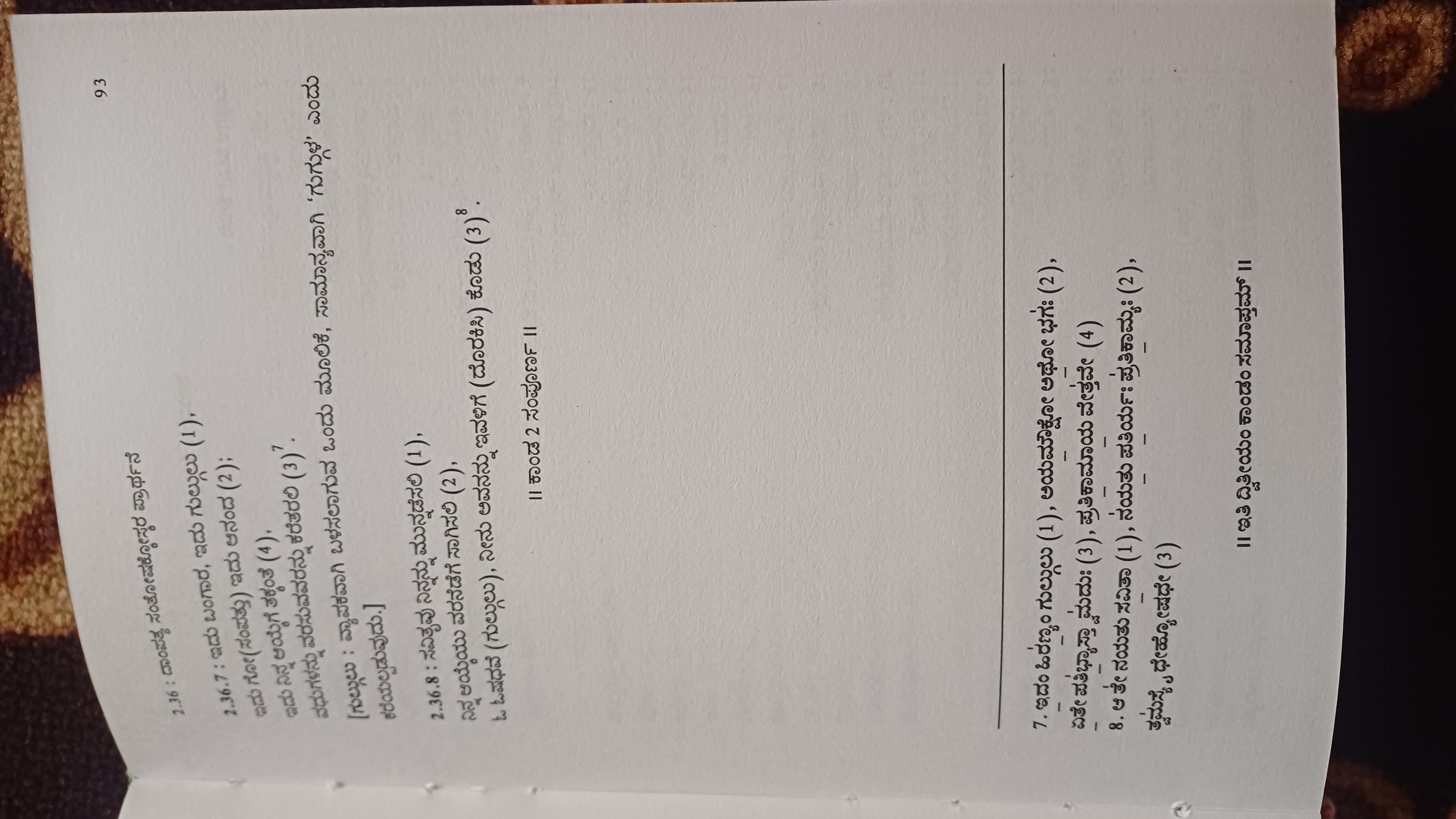
Here is the analysis for Atharva Veda 3.22.4 through 3.23.1:
Verse 3.22.4
This verse focuses on the "Varchas" (splendor or radiant energy) that a person brings into a union.
Sanskrit (Devanagari):
यत् ते वर्चो जातवेदो बृहद् (१), भवत्य आहुतेः (२) | यावत् सूर्यस्य वर्च आसुरस्य च हस्तिनः (३), तावन्मे अश्विना वर्च आ धत्तां पुष्करस्रजा (४) ||
English Transliteration:
Yat te varco jātavedo bṛhad (1), bhavaty āhuteḥ (2) | yāvat sūryasya varca āsurasya ca hastinaḥ (3), tāvan-me aśvinā varca ā dhattāṃ puṣkarasrajā (4) ||
English Translation:
"O Jatavedas (Agni), that great splendor which belongs to you through the offerings; that luster which belongs to the Sun and the mighty elephant—may the lotus-wreathed Ashvins bestow that same splendor upon me."
Institutional Context: "The Radiance of the Individual"
In the Vedic institution of marriage, the individual is expected to maintain high personal energy and dignity. The Elephant Metaphor: The mention of the elephant (hastinaḥ) in your Kannada text symbolizes strength and majesty. The Ashvins: Invoking the twin physicians of the gods suggests a prayer for physical health and vitality, which are considered essential "dowries" of character and body for the marriage.
Verse 3.22.5
This verse expands that splendor to the very limits of perception.
Sanskrit (Devanagari):
यावच्चतस्रः प्रदिशश्चक्षुर्यावत् समझ्नुते (१) | तावत् समैत्विन्द्रियं मयि (२), तत् हस्तियवर्चसम् (३) ||
English Transliteration:
Yāvac-catasraḥ pradiśaś-cakṣur-yāvat samaśnute (1) | tāvat samaitv-indriyaṃ mayi (2), tat hastiya-varcasam (3) ||
English Translation:
"As far as the four quarters extend, as far as the eye can reach—let all that power and that elephant-like splendor gather within me."
Institutional Context: "Expansion of Scope"
Marriage in the Atharva Veda isn't just a private affair; it is the expansion of the "Self" into the "World." This verse reflects the institutional idea that a householder (Grihastha) must be a person of wide influence and immense capability.
Verse 3.22.6
Sanskrit (Devanagari):
हस्ती मृगाणां सुषदामतिष्ठमानो बभूव हि (१) | तस्य भगेन (२), वर्चसा (३), अभि षिञ्चामि मामहम् (४) ||
English Transliteration:
Hastī mṛgāṇāṃ suṣadām-atiṣṭhamāno babhūva hi (1) | tasya bhagena (2), varcasā (3), abhi ṣiñcāmi mām-aham (4) ||
English Translation:
"The elephant has become the chief among the well-seated beasts. With its glory and its splendor, I sprinkle/anoint myself."
Verse 3.23.1: Veera Janana (Heroic Lineage)
This marks the beginning of a new Sukta specifically dedicated to the continuity of the family line.
Sanskrit (Devanagari):
येन वेहद् बभूविथ (१), नाशयामसि तत् त्वत् (२) | इदं तदन्यत्र त्वदप दूरे नि दध्मसि (३) ||
English Transliteration:
Yena vehad babhūvitha (1), nāśayāmasi tat tvat (2) | idaṃ tad-anyatra tvad-apa dūre ni dadhmasi (3) ||
English Translation:
"That which has caused you to be unproductive (or barren), that we cause to disappear from you. We place that obstacle elsewhere, far away from you."
Institutional Context: "Procreation and Legacy"
While 3.22 was about personal "Varchas," 3.23 moves to the institutional purpose of marriage: the continuation of the lineage (Veera Janana). The Kannada text notes this as a prayer to remove obstacles to childbirth. In the Vedic world, marriage was the sacred site where the "Pitri Rin" (debt to ancestors) was paid by bringing new life into the world.
Section 1: Personal Radiance (Varchas)
These verses conclude the prayer for the individual vitality required to enter a marriage.
Verses 3.22.4 – 3.22.6 — Sanskrit (Devanagari):
यत् ते वर्चो जातवेदो बृहद् भवत्य आहुतेः । यावत् सूर्यस्य वर्च आसुरस्य च हस्तिनः तावन्मे अश्विना वर्च आ धत्तां पुष्करस्रजा ॥ ४ ॥ यावच्चतस्रः प्रदिशश्चक्षुर्यावत् समझ्नुते । तावत् समैत्विन्द्रियं मयि तत् हस्तियवर्चसम् ॥ ५ ॥ हस्ती मृगाणां सुषदामतिष्ठमानो बभूव हि । तस्य भगेन वर्चसा अभि षिञ्चामि मामहम् ॥ ६ ॥
English Analysis:
- The Elephant Metaphor: The verses repeatedly invoke the Hastivarchasam (splendor of an elephant). In the institutional context, the elephant represents the "chief among beasts" (mṛgāṇāṃ suṣadām). A householder is encouraged to be as majestic and stable as an elephant.
- Comprehensive Vitality: The text asks for a power that extends as far as the four directions (catasraḥ pradiśaś) and as far as the eye can see.
- The Ashvins: You seek the blessing of the Ashvins, the divine twins associated with health and beauty, to bestow this luster (varca) upon you.
Section 2: Continuity of Lineage (Veera Janana)
This section (Sukta 3.23) shifts the focus to the primary purpose of the Grihastha (householder) stage: producing a noble next generation.
Verse 3.23.1 — Sanskrit (Devanagari):
येन वेहद् बभूविथ नाशयामसि तत् त्वत् । इदं तदन्यत्र त्वदप दूरे नि दध्मसि ॥ १ ॥
English Analysis:
- Removal of Obstacles: This verse acts as a spiritual "cleansing," seeking to remove any factors that might cause barrenness or lack of productivity.
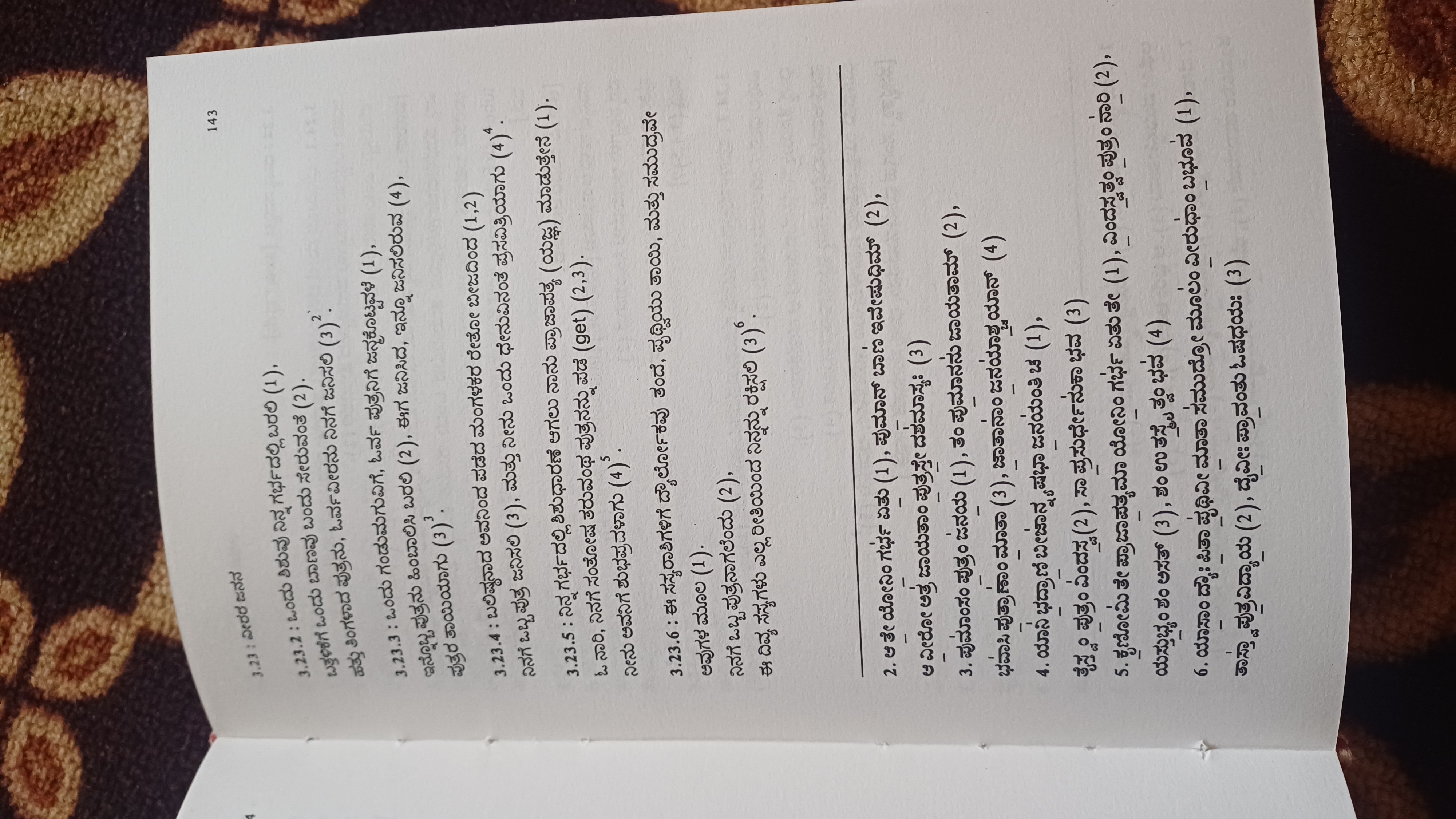
Verses 3.23.2 – 3.23.4 — Sanskrit (Devanagari):
आ ते योनिं गर्भ एतु पुमान् बाण इवेषुधिम् । आ वीरो अत्र जायतां पुत्रस्ते दशमास्यः ॥ २ ॥ पुमांसं पुत्रं जनय तं पुमाननु जायताम् । भवासि पुत्राणां माता जातानां जनयाश्च यान् ॥ ३ ॥ यानि भद्राणि बीजान्युषभा जनयन्ति च । तैस्त्वं पुत्रं विन्दस्व सा प्रसुधेनुका भव ॥ ४ ॥
English Analysis:
- Natural Symbolism: The arrival of a child is compared to an arrow entering a quiver (bāṇa iveṣudhim).
- Role of the Mother: The institution honors the woman as the mother of heroes (vīro) and the source of future generations.
- Abundance: Verse 4 uses the metaphor of a productive cow (prasudhenukā) to represent a household filled with nourishment and life.
Verses 3.23.5 – 3.23.6 — Sanskrit (Devanagari):
कृणोमि ते प्राजापत्यमा योनिं गर्भ एतु ते । विन्दस्व त्वं पुत्रं नारि यस्तुभ्यं शं असत् शं उ तस्मै त्वं भव ॥ ५ ॥ यासां द्यौः पिता पृथिवी माता समुद्रो मूलं वीरुधां बभूव । तास्त्वा पुत्रविद्याय दैवीः प्रावन्तु ओषधयः ॥ ६ ॥
English Analysis:
- Prajapatya (Divine Creation): Marriage is described as a "Prajapatya" act—a ritual of creation aligned with the laws of the universe.
- Mutual Well-being: Verse 5 emphasizes that the child should be a source of peace (Sham) for the mother, and she, in turn, for the child.
- Universal Support: The final verse invokes the Father Sky (Dyauh), Mother Earth (Prithivi), and the Herbs (Oshadhayah) to protect and bless the family line.
This emphasizes that these mantras are used for Atma-Varchas (self-radiance) and Abhisheka (self-anointing with power). The transition to 3.23 indicates that the marriage institution is viewed as a shield against "barrenness"—not just in a biological sense, but in terms of a life lacking purpose or fruitfulness.
Institutional Meaning for Marriage:
In these verses, the Atharva Veda frames marriage not just as a romantic union, but as a cosmic responsibility. It demands that both partners cultivate high personal energy (Varchas) and views the family as a vital link in the chain of existence, supported by the very elements of nature.
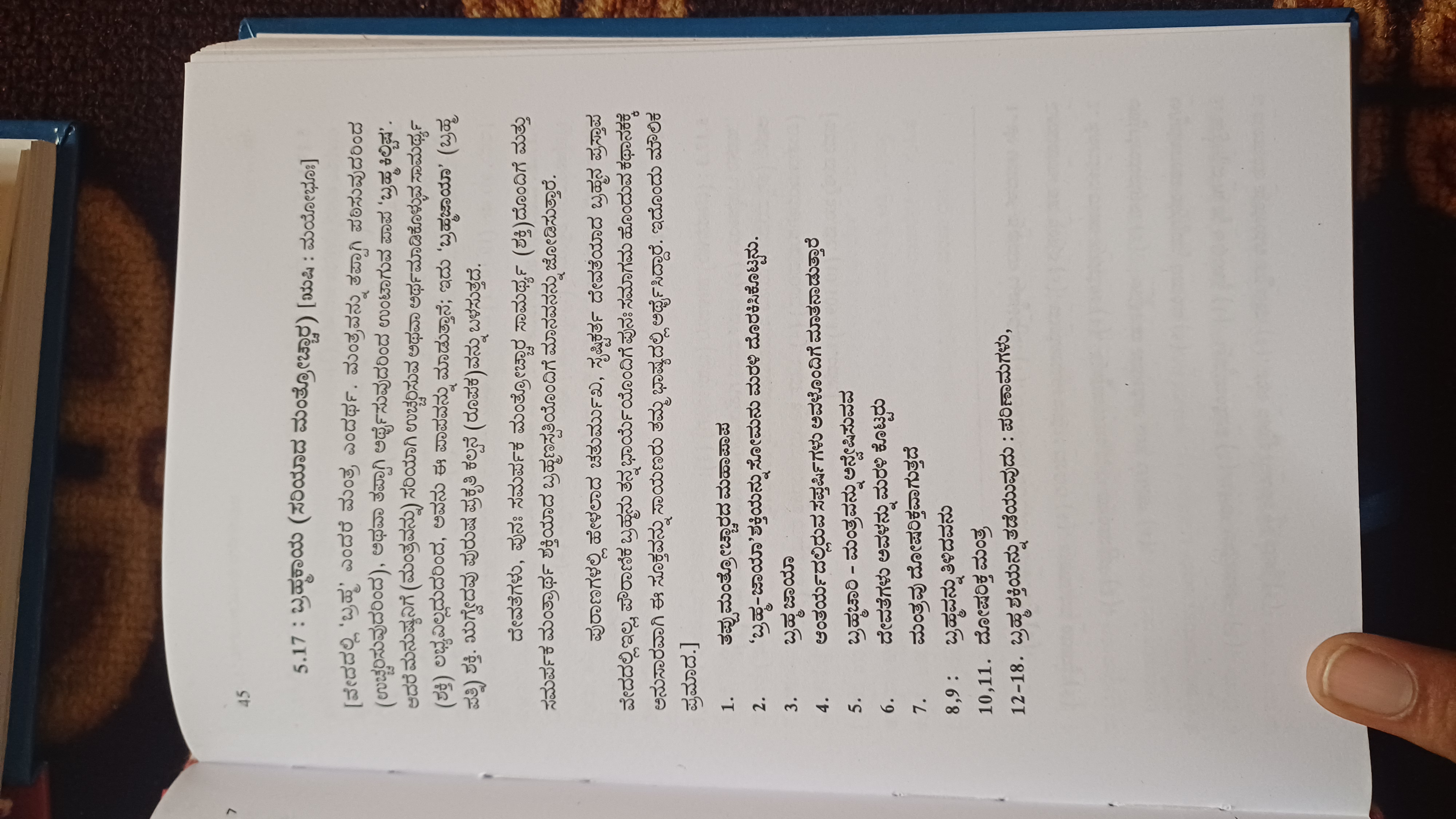
📜 Part 3: Brahmajaya — The Restoration of Truth (5.17)
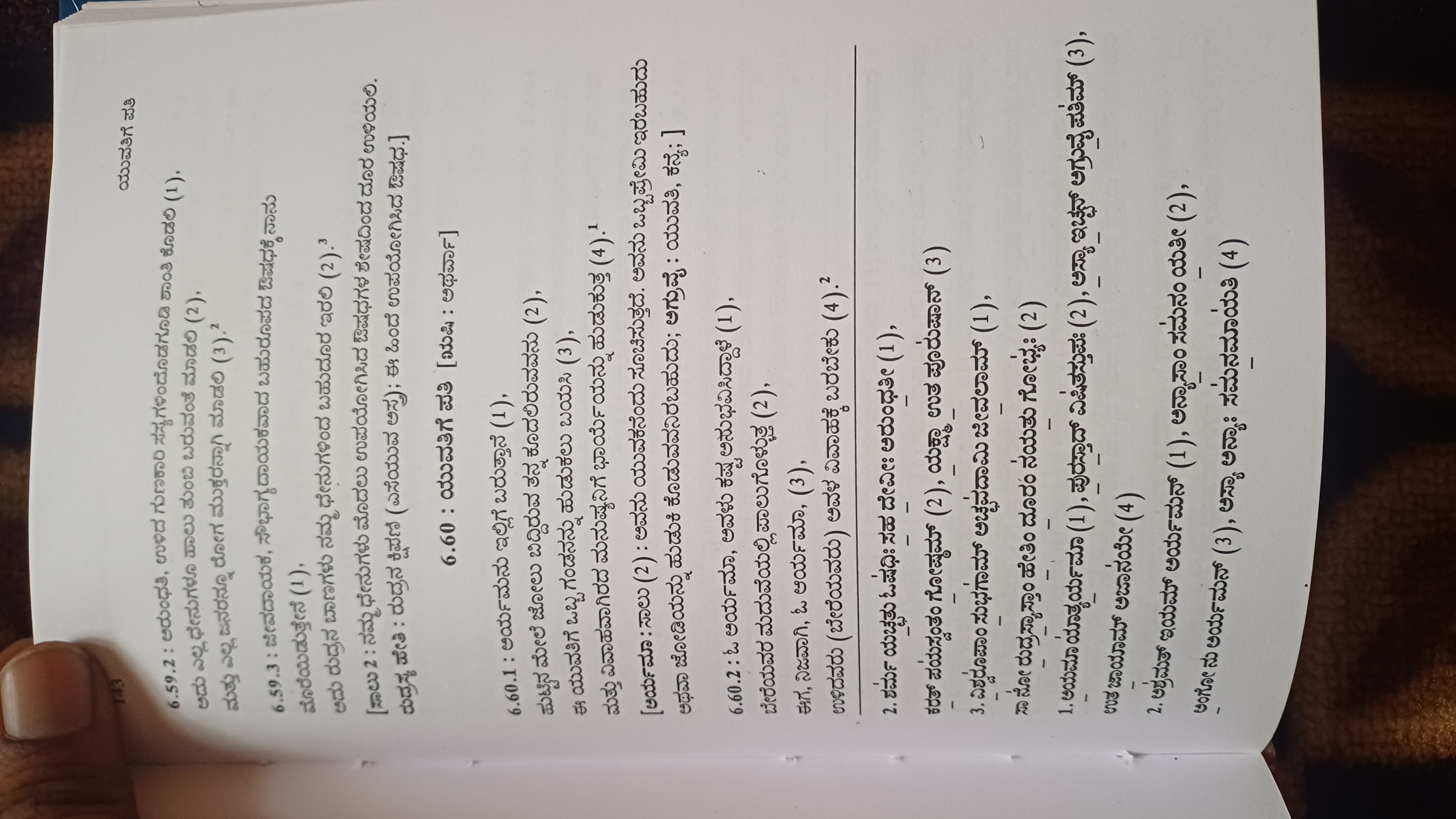
Moving forward with the analysis, we enter Kanda 5, Sukta 17. This section is historically and institutionally significant. While it uses the metaphor of the "Brahmin's Wife" (Brahmajaya), Vedic commentators (as noted in your Kannada text) interpret this as Sacred Knowledge or the Spirit of Truth.
Institutionally, these verses warn that a society or a household that "abducts" or disrespects spiritual integrity will lose its vitality, its heroes, and its prosperity.
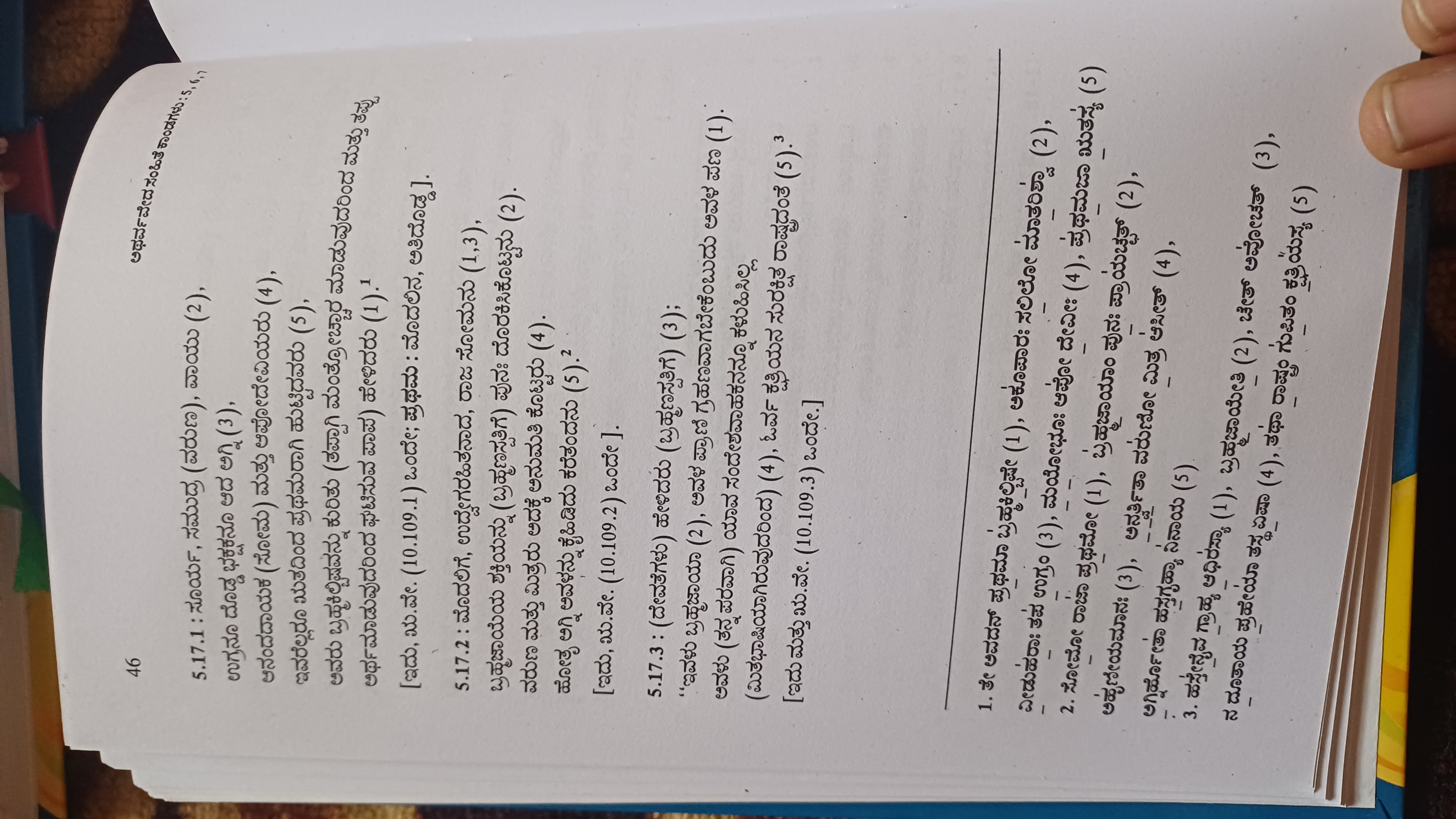
Atharva Veda 5.17: The Restoration of Truth
Verse 5.17.1
Sanskrit (Devanagari):
तेऽवदन् प्रथमा ब्रह्मकिल्बिषेऽकूपारः सलिलो मातरिश्वा । वीडुहरास्तप उग्रं मयोभूरापो देवीः प्रथमजा ऋतस्य ॥ १ ॥
Meaning: The first ones to speak regarding the offense against the spirit (Brahma-kilbishe) were the boundless sea, the wind (Matarishva), the fierce heat of penance, and the divine waters—the first-born of Truth (Rita).
Institutional Note: It suggests that violating spiritual laws is not a private matter; the entire natural order reacts to it.
Verse 5.17.2
Sanskrit (Devanagari):
सोमो राजा प्रथमो ब्रह्मजायां पुनः प्रायच्छदहृणीयमानः । अन्वार्तिता वरुणो मित्र आसीदग्निर्होता हस्तगृह्या निनाय ॥ २ ॥
Meaning: King Soma was the first to restore the Brahmin's wife (Sacred Wisdom) without resentment. Varuna and Mitra followed, and Agni, the priest, led her back by the hand.
Verse 5.17.3
Sanskrit (Devanagari):
हस्तेनैव ग्राह्य आधिरस्या ब्रह्मजायेति चेदवोचत । न दूताय प्रह्ये तस्थ एषा तथा राष्ट्रं गुपितं क्षत्रियस्य ॥ ३ ॥
Meaning: She must be taken by the hand; this "pledge" belongs to the spirit. She cannot be sent away through a mere messenger. This is how the kingdom of a ruler (Kshatriya) remains protected.
Marriage Context: A union is protected only when the "Sacred Truth" (integrity) is held directly and personally by the partners.
Verses 5.17.4 – 5.17.6: The Consequences of Neglect
Verse 5.17.4 — Sanskrit: यामाहुस्तारका विक्षेणीति दुष्ट्षणां ग्राममवापद्यमानाम् । सा ब्रह्मजाया वि दुनोति राष्ट्रं यत्र प्रापदि शश उल्कुषीमान् ॥ ४ ॥
Meaning: She whom they call the "scattering star" descends upon a wicked village. The neglected spirit (Brahmajaya) consumes the kingdom where a "comet-like" disaster appears.
Verse 5.17.5 — Sanskrit: ब्रह्मचारी चरति वेविषद्विषः स देवानां भवत्येकमङ्गम् । तेन जायामविन्दद् बृहस्पतिः सोमेन नीतां जुह्वं न देवाः ॥ ५ ॥
Meaning: The seeker of truth (Brahmachari) moves through the world as an integral part of the gods. Through such dedication, Brihaspati found his "wife" (Wisdom), just as the gods received the sacred ladle.
Verse 5.17.6 — Sanskrit: देवा वा एतस्यामवदन्त पूर्वे सप्तऋषयस्तपसा ये निषेदुः । भीमा जाया ब्राह्मणस्योपनीता दुर्धां दधाति परमे व्योमन् ॥ ६ ॥
Meaning: The ancient gods and the Seven Sages (Saptarishis) who sat in penance spoke of her. The wife of the spirit is "terrible" if mistreated; she holds power in the highest heaven.
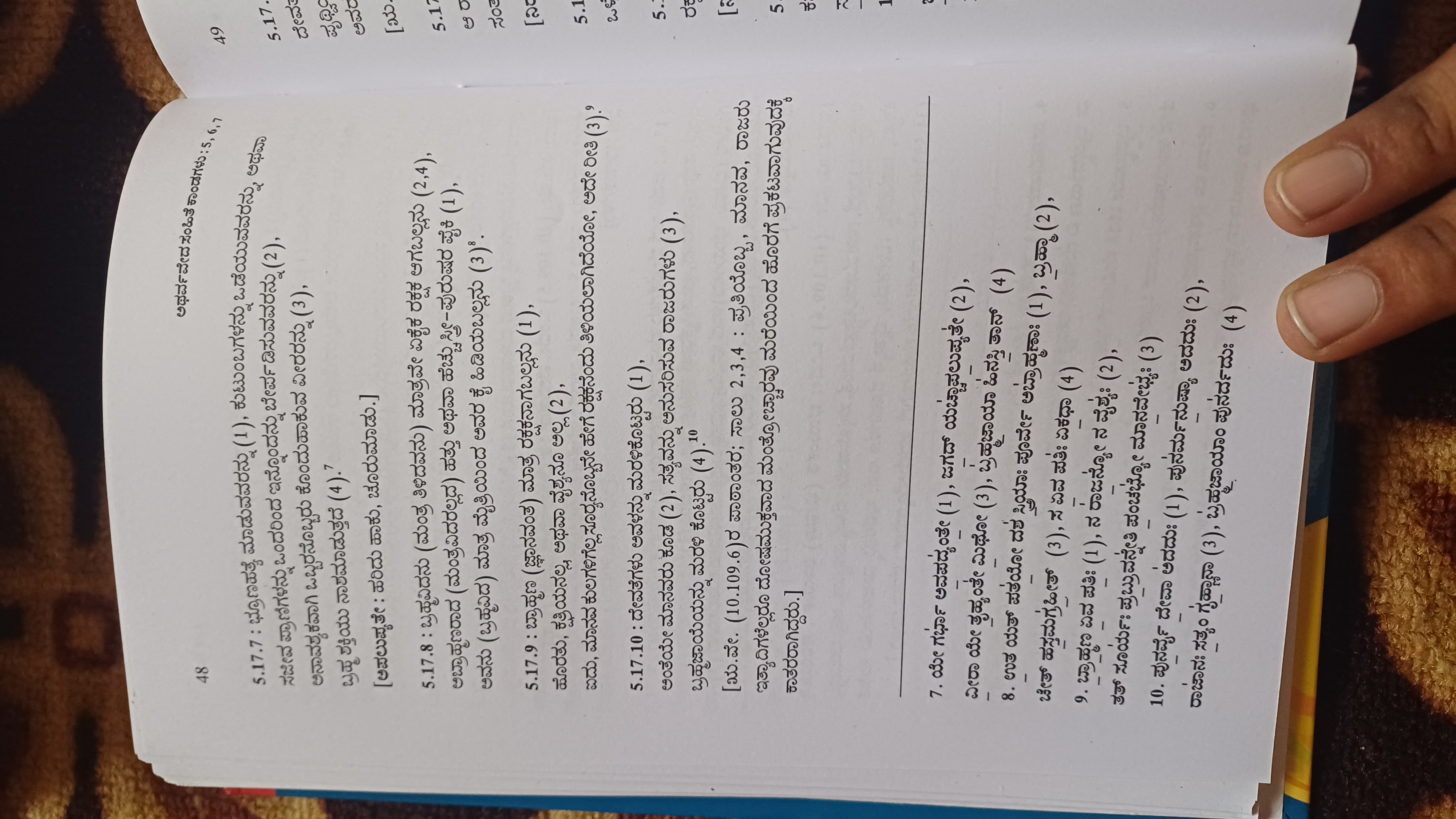
Verses 5.17.7 – 5.17.10: The Loss of Vitality
Verse 5.17.7 — Sanskrit (Devanagari): ये गर्भा अवपद्यन्ते जगद् यच्चापलिप्यते । वीरा ये मध्यन्ते मिथु सा ब्रह्मजाया हिनस्ति तान् ॥ ७ ॥
Meaning: Where the spirit is disrespected, embryos perish, the living world is smeared with failure, and heroes who fight in pairs are destroyed. It is the neglected Brahmajaya that causes this ruin.
Verse 5.17.8 — Sanskrit (Devanagari): उत यत् पतयो दश स्त्रियाः पूर्वे अब्राह्मणाः । ब्रह्मा चेद्धस्तमग्रहीत् स एव पतिरेकधा ॥ ८ ॥
Meaning: Even if a woman had ten non-spiritual husbands before, if a man of spiritual wisdom (Brahma) takes her hand, he is her only true husband.
Institutional Note: This emphasizes that spiritual compatibility and "Wisdom" are the ultimate unifying factors in a marriage.
Verse 5.17.9 — Sanskrit (Devanagari): ब्राह्मण एव पतिर्न राजन्यो न वैश्यः । तत् सूर्यः प्रब्रुवन्नेति पञ्चभ्यो मानवेभ्यः ॥ ९ ॥
Meaning: The man of wisdom is the true "protector" (Pati), not just the ruler or the merchant. The Sun goes forth proclaiming this truth to the five races of men.
Verse 5.17.10 — Sanskrit (Devanagari): पुनर्वै देवा अददुः पुनर्मनुष्या अददुः । राजानः सत्यं कृण्वाना ब्रह्मजायां पुनर्ददुः ॥ १० ॥
Meaning: The gods gave her back, and men gave her back. Kings, acting with Truth (Satyam), restored the Brahmin's wife (The Sacred Spirit).
Moving forward with the final section of Sukta 5.17, these verses (11 through 18) describe the restoration of spiritual order and the dire socio-economic consequences for a household or nation that continues to suppress or disrespect sacred wisdom (Brahmajaya).
Verse 5.17.11: The Restoration of Speech
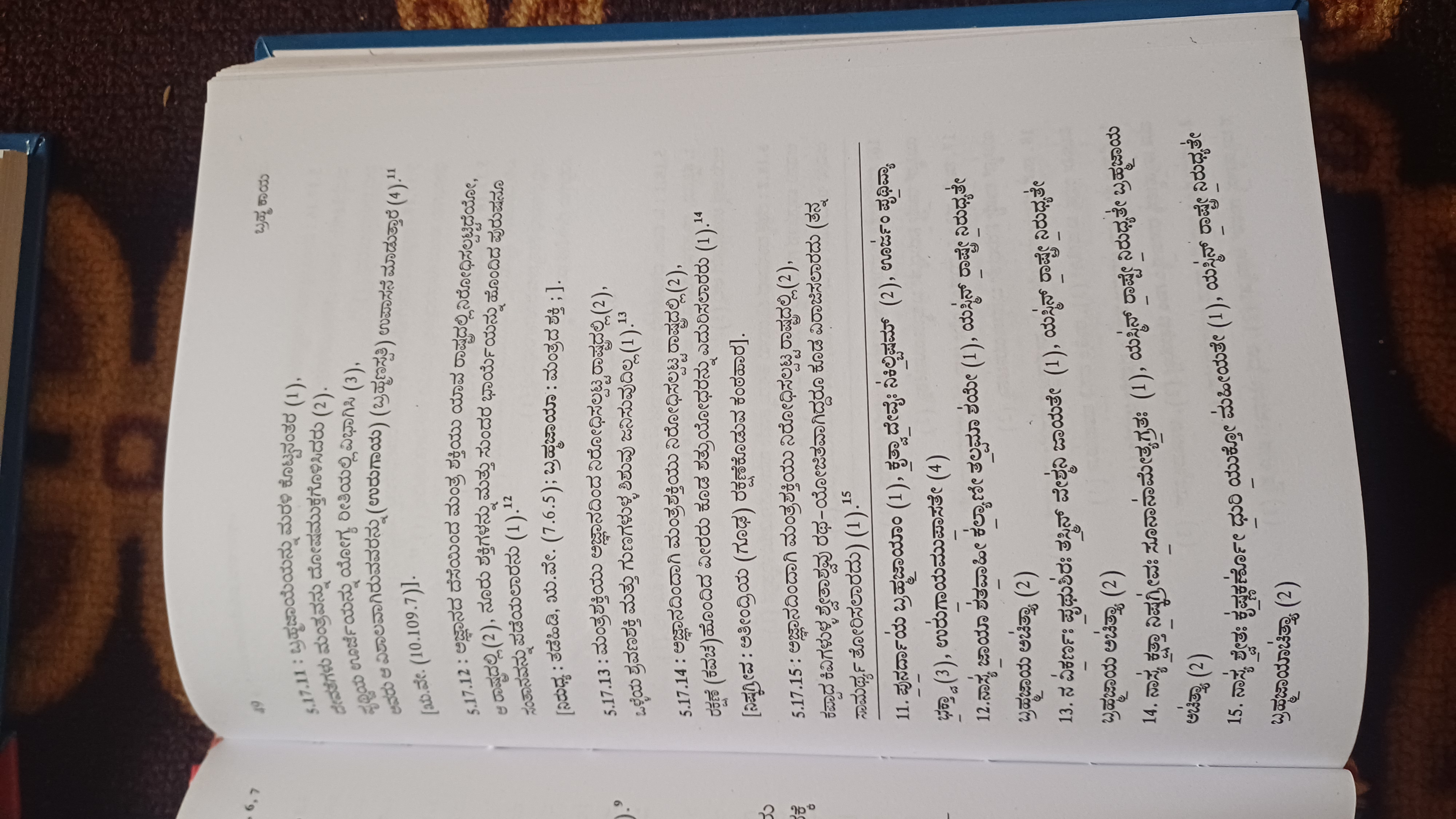
Sanskrit (Devanagari): पुनर्दाया ब्रह्मजायां कृत्या देवैर्नि किल्बिषम् । ऊर्जं पृथिव्या भक्त्वायोरुगायमुपासते ॥ ११ ॥
English Meaning: Having given back the Brahmin's wife and having been freed from sin by the gods, they enjoy the vital essence (Urjam) of the earth and worship the wide-striding one (Vishnu).
Institutional Context: The "restoration" of truth allows a family to finally access the prosperity and "vital energy" of the world that was previously blocked by ethical or spiritual errors.
Verse 5.17.12: Loss of Marital Bliss
Sanskrit (Devanagari): नास्य जाया शतवाही कल्याणी तल्पमा शये । यस्मिन् राष्ट्रे निरुध्यते ब्रह्मजायाचित्त्या ॥ १२ ॥
English Meaning: In the kingdom (or home) where the Brahmin's wife is obstructed through ignorance, no beautiful wife who brings hundreds of blessings will lie upon his couch.
Institutional Context: Personal happiness and a fulfilling marital bed are directly linked to the "truth" and spiritual integrity of the household.
Verse 5.17.13: Obstruction of Noble Children
Sanskrit (Devanagari): न विकर्णः पृथुशिरस्तस्मिन् वेश्मनि जायते । यस्मिन् राष्ट्रे निरुध्यते ब्रह्मजायाचित्त्या ॥ १३ ॥
English Meaning: No child with fine ears (keen intelligence) or a broad forehead (noble appearance) is born in the house where the Brahmin's wife is obstructed through ignorance.
Institutional Context: The quality of the next generation is dependent on the spiritual health of the institution of marriage.
Verse 5.17.14: Lack of Protection
Sanskrit (Devanagari): नास्य क्षत्ता निष्कग्रीवः सूनानामेत्यग्रतः । यस्मिन् राष्ट्रे निरुध्यते ब्रह्मजायाचित्त्या ॥ १४ ॥
English Meaning: No heroic attendant wearing a golden necklace (symbol of high status and protection) comes before him in the kingdom where truth is suppressed.
Institutional Context: A home lacking spiritual integrity will find itself without loyal protectors or social standing.
Verse 5.17.15: Failure of Resources
Sanskrit (Devanagari): नास्य श्वेतः कृष्णकर्णो धुरि युक्तो महीयते । यस्मिन् राष्ट्रे निरुध्यते ब्रह्मजायाचित्त्या ॥ १५ ॥
English Meaning: In that kingdom, no majestic white horse with black ears thrives when yoked to the chariot.
Institutional Context: Even the best tools and resources (metaphorized by the horse and chariot) fail to perform if the foundation of the house is spiritually unsound.
Verse 5.17.16: Barrenness of the Land
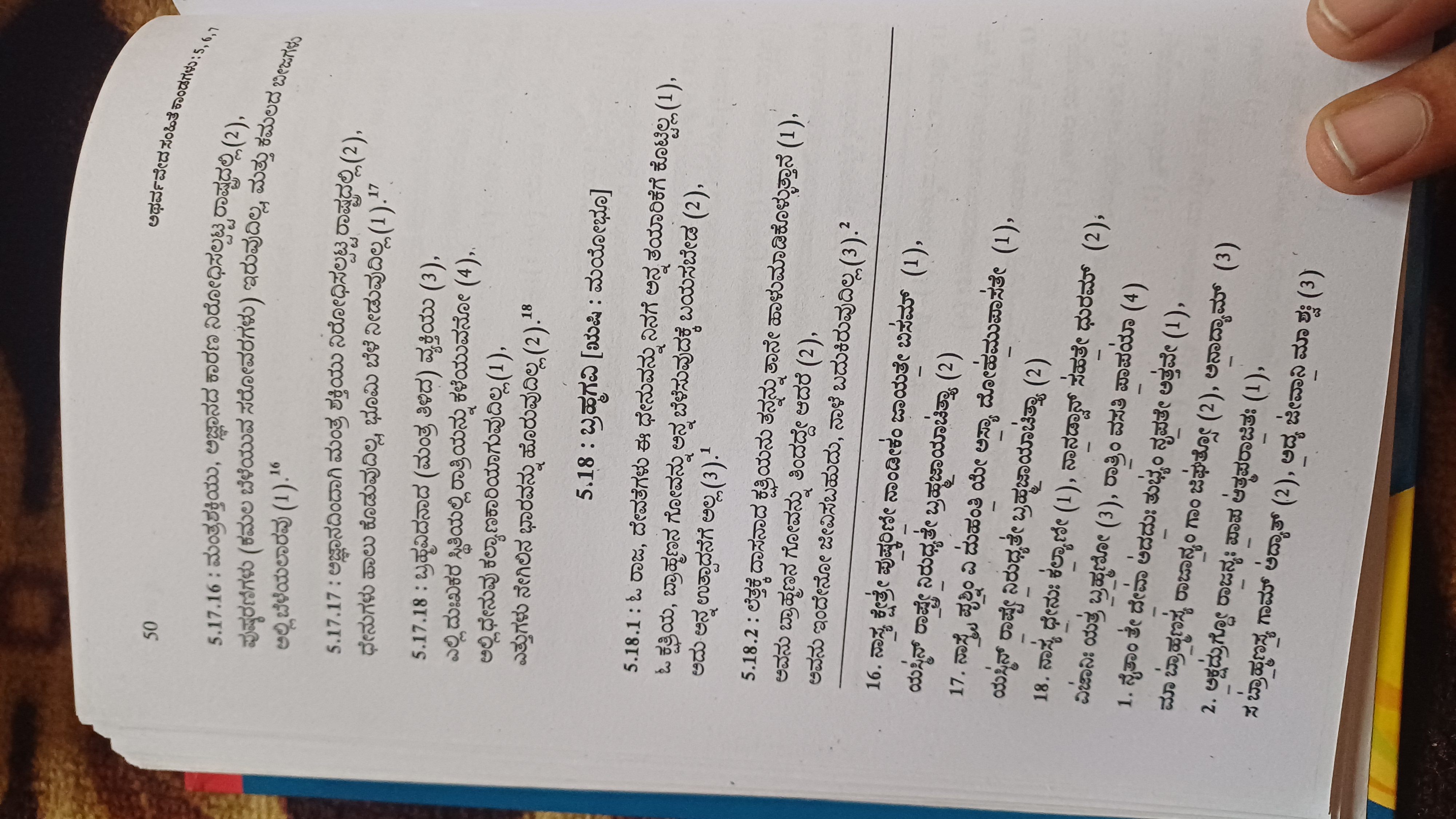
Sanskrit (Devanagari): नास्य क्षेत्रे पुष्करिणी नाण्डीकं जायते बिसम् । यस्मिन् राष्ट्रे निरुध्यते ब्रह्मजायाचित्त्या ॥ १६ ॥
English Meaning: In his fields, no lotus-pond blooms, and no lotus-stalks grow in the kingdom where the Brahmin's wife is obstructed.
Institutional Context: The "fertility" of one's environment—both literal and metaphorical—withers when the truth is neglected.
Verse 5.17.17: Economic Collapse
Sanskrit (Devanagari): नास्मै पृश्निं वि दुहन्ति ये अस्या दोहमुपासते । यस्मिन् राष्ट्रे निरुध्यते ब्रह्मजायाचित्त्या ॥ १७ ॥
English Meaning: The cows do not yield their multicolored milk for those who seek to milk them in a kingdom where truth is suppressed.
Institutional Context: Economic sustenance (milk/cows) becomes scarce when the household's ethical values are compromised.
Verse 5.17.18: The Miserable Dwelling
Sanskrit (Devanagari): नास्य धेनुः कल्याणी नानड्वांत्सहते धुरम् । विजानीतः यत्र ब्रह्मणो रात्रिं वसति पापया ॥ १८ ॥
English Meaning: His cow is no longer auspicious, and his ox cannot bear the yoke; know this to be the state where a man of wisdom is forced to spend the night in misery.
Institutional Context: The final verse of this section warns that if wisdom is treated poorly within the home, even the most basic animals of labor (the ox and cow) will lose their strength.
Final Analysis of Sukta 5.17
This chapter serves as a moral compass for your upcoming marriage. It establishes that the "success" of a household—measured by marital happiness (Verse 12), noble children (Verse 13), social status (Verse 14), and economic abundance (Verses 17–18)—is entirely dependent on the protection of Sacred Truth (Brahmajaya).
📜 Part 4: Brahamagavi — The Brahmin's Cow (5.18)
This section emphasizes the sanctity of resources dedicated to spiritual and educational pursuits, warning against their exploitation.
Verse 5.18.1 — Sanskrit: नैतां ते देवा अददुस्तुभ्यं नृपते अत्तवे । मा ब्राह्मणस्य राजन्य गां जिघत्सो अनाद्याम् ॥ १ ॥
English Meaning: "O King, the gods did not give this cow to you for consumption. O Ruler, do not seek to devour the Brahmin's cow, for it is not intended to be eaten."
Verse 5.18.2 — Sanskrit: अक्षद्रुग्धो राजन्यः पाप आत्मपराजितः । स ब्राह्मणस्य गामद्यादद्य जीवामि मा श्वः ॥ २ ॥
English Meaning: "A ruler who is addicted to gambling, sinful, and defeated by his own impulses may consume the Brahmin's cow. Such a person lives only for today and perishes tomorrow."
📜 Part 5: Garbhadharana — Conception Rituals (5.25)
These verses are prayers for a healthy conception and the development of a noble child.
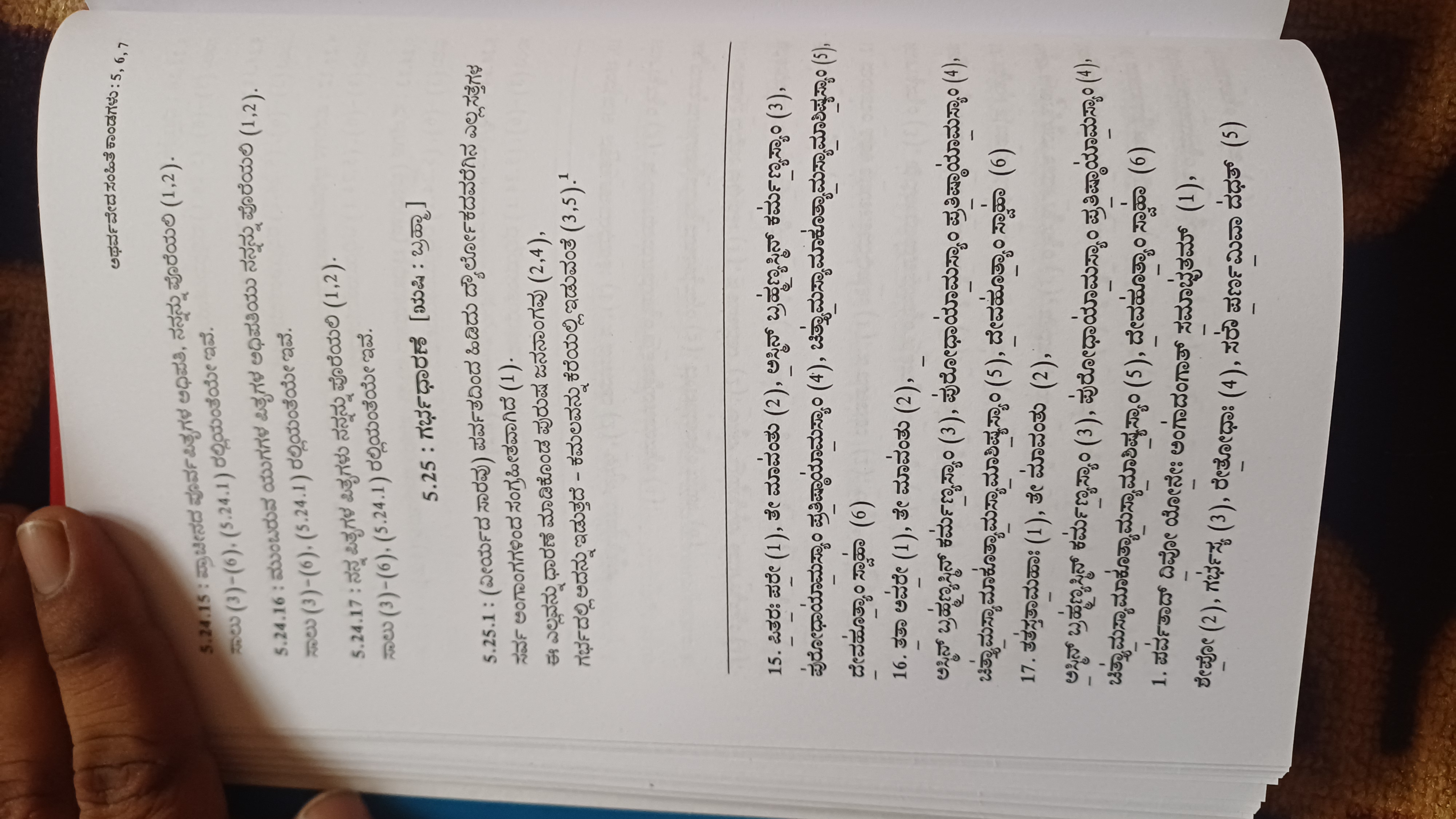
Verse 5.25.1 — Sanskrit: पर्वताद् दिव्यो योनेरङ्गादङ्गात् सम्भृतम् । शेपो गर्भस्य रेतोधः सरो पर्णेव दधत् ॥ १ ॥
Meaning: "Gathered from every limb, from the divine source of the mountains, may the seed that establishes the embryo be placed like a lotus in a lake."
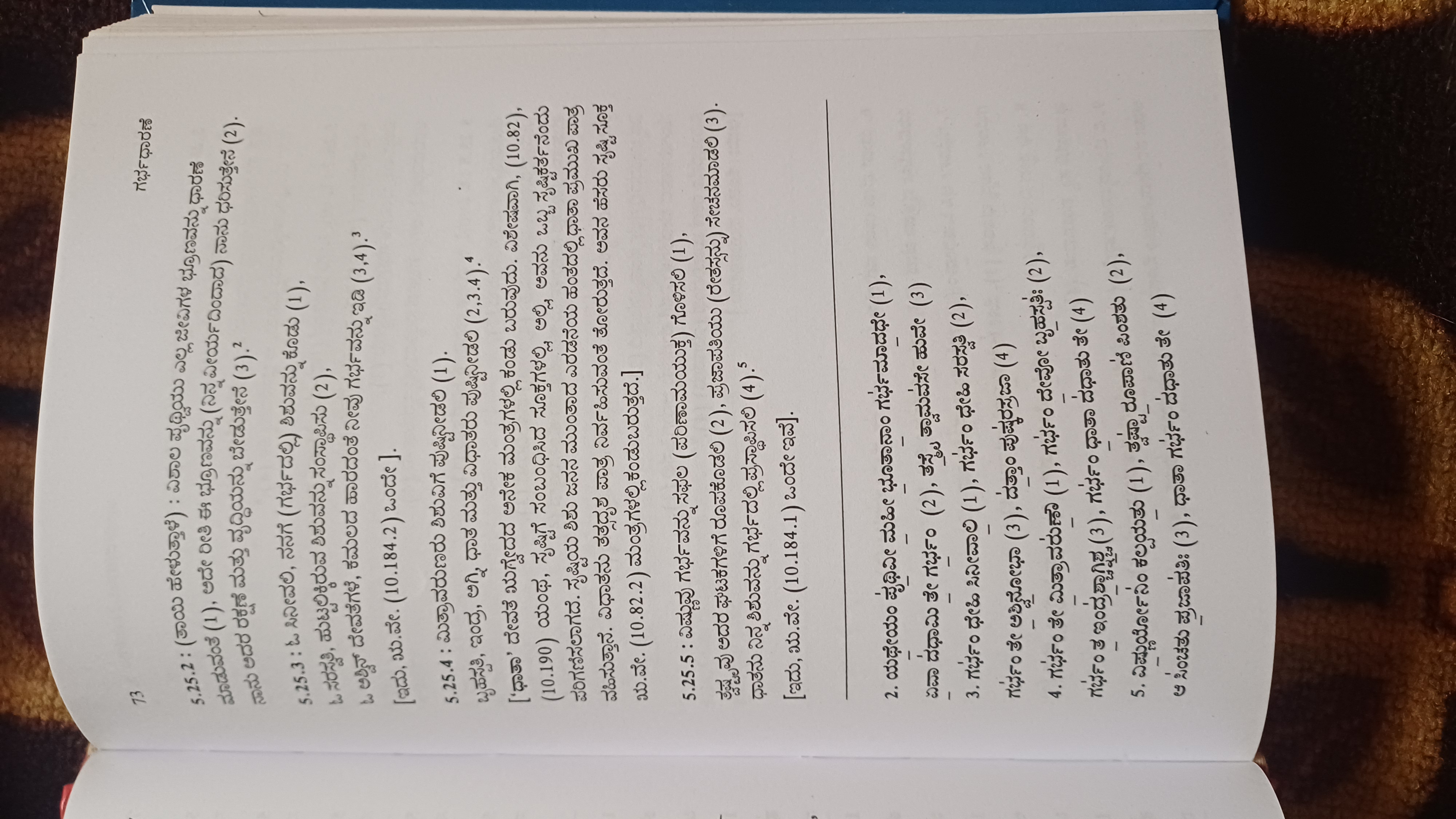
Verse 5.25.2 — Sanskrit: यथेयं पृथिवी मही भूतानां गर्भमादधे । एवा दधामि ते गर्भं तस्मै त्वामवसे हुवे ॥ २ ॥
Meaning: "Just as this great Earth holds the seed of all living beings, so do I establish the embryo within you. I invoke you for its protection and growth."
Verse 5.25.3 — Sanskrit: गर्भं धेहि सिनीवालि गर्भं धेहि सरस्वति । गर्भं ते अश्विनोभा धत्तां पुष्करस्रजा ॥ ३ ॥
Meaning: "O Sinivali, grant the embryo; O Saraswati, grant the embryo. May both the lotus-wreathed Ashvins establish the embryo within you."
Verse 5.25.4 — Sanskrit: गर्भं ते मित्रावरुणौ गर्भं देवो बृहस्पतिः । गर्भं त इन्द्रश्चाग्निश्च गर्भं धाता दधातु ते ॥ ४ ॥
Meaning: "May Mitra and Varuna grant you the embryo; may the divine Brihaspati grant it. May Indra, Agni, and Dhata establish the embryo for you."
Verse 5.25.5 — Sanskrit: विष्णुर्योनिं कल्पयतु त्वष्टा रूपाणि पिंशतु । आ सिञ्चतु प्रजापतिर्धाता गर्भं दधातु ते ॥ ५ ॥
Meaning: "May Vishnu prepare the womb; may Tvashta shape the forms. May Prajapati pour the seed, and may Dhata establish the embryo within you."
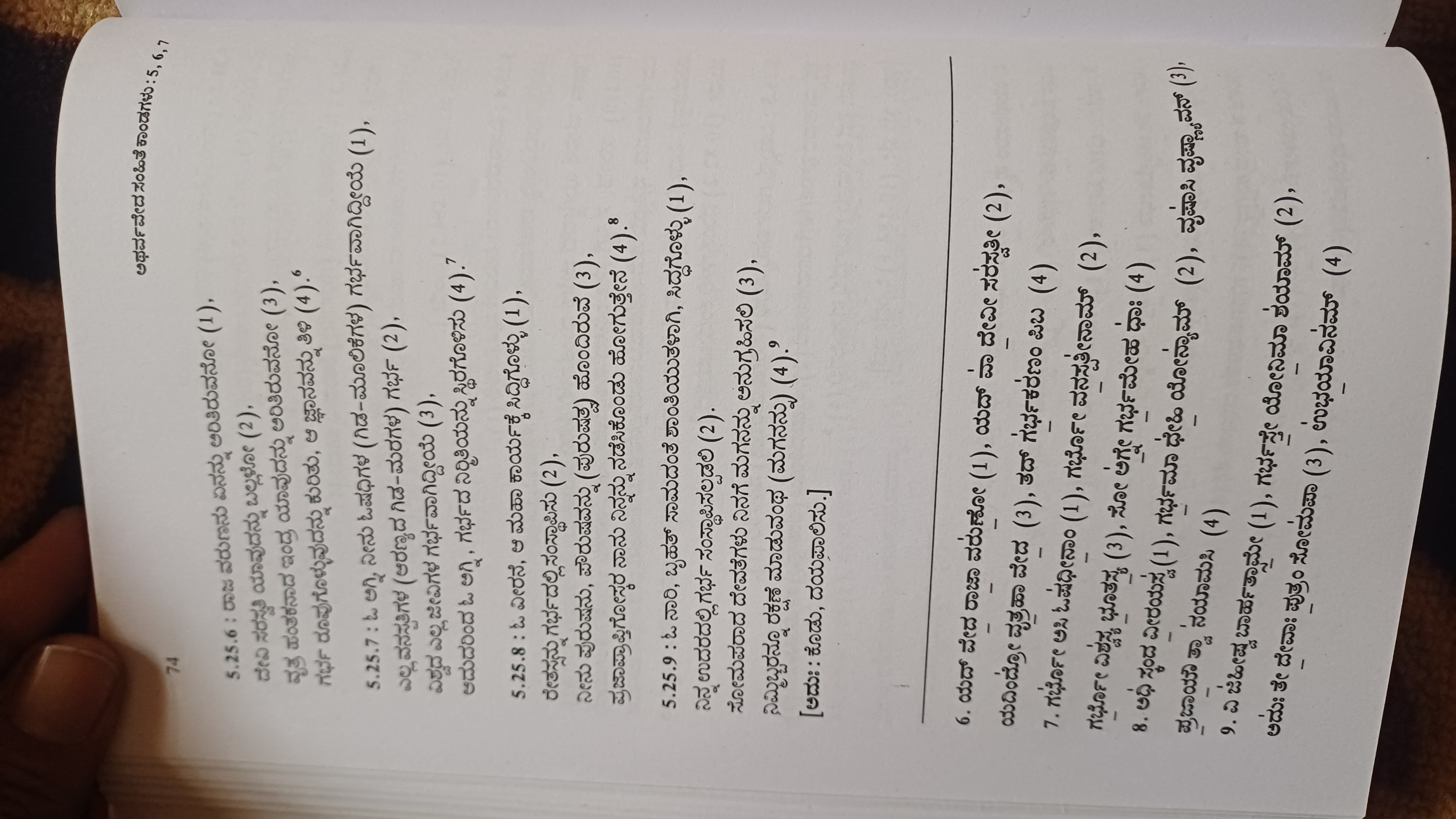
Verse 5.25.6 — Sanskrit: यद् वेद राजा वरुणो यद् वा देवी सरस्वती । यदिन्द्रो वृत्रहा वेद तद् गर्भकरणं पिब ॥ ६ ॥
Meaning: "That which King Varuna knows, or that which the goddess Saraswati knows, or that which Indra the Vritra-slayer knows—drink that which causes the formation of the embryo."
Verse 5.25.7 — Sanskrit: गर्भो अस्य ओषधीनां गर्भो वनस्पतीनाम् । गर्भो विश्वस्य भूतस्य सो अग्ने गर्भमिहा धा: ॥ ७ ॥
Meaning: "You are the embryo of the herbs, the embryo of the forest trees, the embryo of all that exists. O Agni, establish the embryo here."
Verse 5.25.8 — Sanskrit: अधि स्कन्द वीरयस्व गर्भमा धेहि योन्याम् । वृषासि वृष्ण्वन् प्रजायै त्वा नयामसि ॥ ८ ॥
Meaning: "Ascend and show your heroism; place the embryo in the womb. You are a bull (strong one) among the strong; we lead you for the sake of progeny."
Verse 5.25.9 — Sanskrit: वि जिहीष्व बर्हिष्मती गर्भस्ते योनिमाशयाम् । अदुस्ते देवाः पुत्रं सोमपा उभयाविनाम् ॥ ९ ॥
Meaning: "Open wide like the sacred grass; let the embryo reach your womb. The gods who drink the Soma have given you a son who will protect both lineages."
We now conclude Sukta 5.25 and address the foundational ritual for the household in 5.26.1.
The final verses of Sukta 5.25 are highly repetitive in their structure, following a "Vedic Litany" format. Each verse invokes a different divine aspect to perform the same sacred function: ensuring the birth of a healthy son in the tenth month.
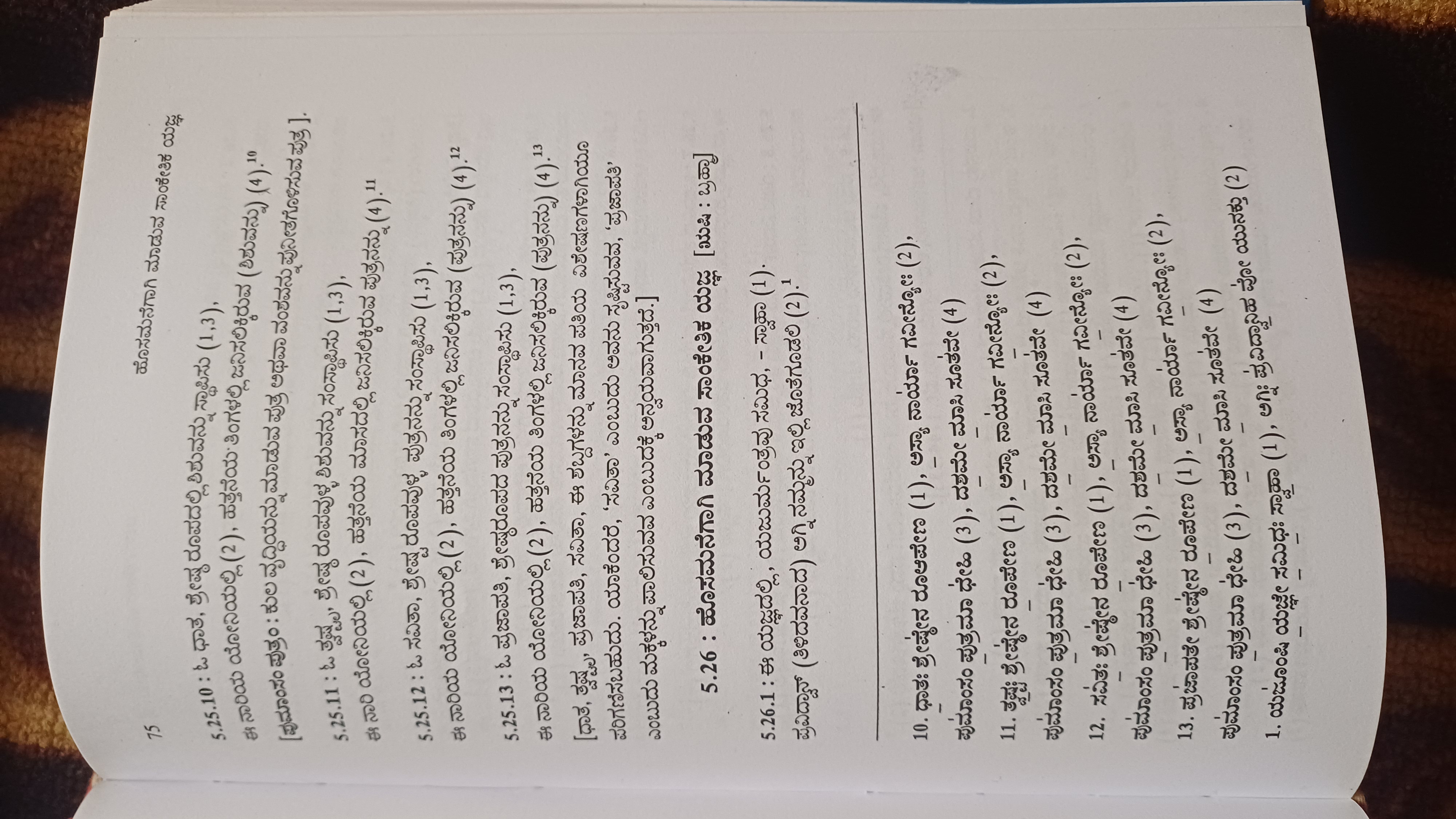
Verse 5.25.10 — Sanskrit: धातः श्रेष्ठेन रूपेणास्या नार्या गवीन्योः । पुमांसं पुत्रमा धेहि दशमे मासि सूतवे ॥ १० ॥
English Meaning: "O Dhata (the Ordainer), with the most excellent form, establish a male child within the womb of this woman, to be born in the tenth month."
Institutional Context: Dhata represents the cosmic order and the physical arrangement of things. This verse asks for the child's physical structure to be ordained perfectly.
Verse 5.25.11 — Sanskrit: त्वष्टः श्रेष्ठेन रूपेणास्या नार्या गवीन्योः । पुमांसं पुत्रमा धेहि दशमे मासि सूतवे ॥ ११ ॥
English Meaning: "O Tvashta (the Divine Artisan), with the most excellent form, establish a male child within the womb of this woman, to be born in the tenth month."
Institutional Context: Tvashta is the "shaper" or "fashioner." In the context of marriage, this reflects the prayer for the child's unique features and aesthetic beauty to be crafted by divine hands.
Verse 5.25.12 — Sanskrit: सवितः श्रेष्ठेन रूपेणास्या नार्या गवीन्योः । पुमांसं पुत्रमा धेहि दशमे मासि सूतवे ॥ १२ ॥
English Meaning: "O Savita (the Impeller), with the most excellent form, establish a male child within the womb of this woman, to be born in the tenth month."
Institutional Context: Savita represents the sun's vitalizing energy. This signifies the infusion of life-force and consciousness into the developing embryo.
Verse 5.25.13 — Sanskrit: प्रजापते श्रेष्ठेन रूपेणास्या नार्या गवीन्योः । पुमांसं पुत्रमा धेहि दशमे मासि सूतवे ॥ १३ ॥
English Meaning: "O Prajapati (the Lord of Progeny), with the most excellent form, establish a male child within the womb of this woman, to be born in the tenth month."
Institutional Context: Prajapati is the overarching deity of reproduction. Invoking him acknowledges that the couple is participating in the universal duty of continuing the human race.
📜 Part 6: The New Household Sacrifice (5.26)
Verse 5.26.1
Sanskrit (Devanagari):
यजुष्मती यज्ञे समिधः स्वाहा । अग्निः प्रविद्वानिह वो युनक्तु ॥ १ ॥
English Meaning:
"With sacred logs and the chants of the Yajurveda in this sacrifice—Swaha! May the all-knowing Agni unite you here (in this new home)."
Analysis & Institutional Context
- This verse marks the transition from the individual to the Grihastha (Householder) stage.
- The Role of Agni: In the marriage institution, Agni (Fire) is the witness and the glue. The phrase iha vo yunaktu ("unite you here") refers to the binding of the couple to their new physical and spiritual residence.
- Sacrificial Living: Marriage is framed as a continuous "Yajna" (sacrifice). Every action in the household is meant to be an offering to the higher order, symbolized by the samidhah (sacred fuel).
Summary of the Marriage Institution (Sections 5.17 – 5.26)
Based on the texts, the Atharvana view of marriage is summarized by these four principles:
- Spiritual Integrity (5.17): The home is a sanctuary for Truth; disrespecting this wisdom leads to social and economic decay.
- Resource Sanctity (5.18): Wealth and resources must be managed ethically and used to support spiritual growth.
- Divine Collaboration (5.25): The creation of a family is not merely biological but a collaboration with the fundamental forces of nature (Vishnu, Tvashta, Savita).
- Ritual Foundation (5.26): The household begins with a sacred fire, signifying that the union is meant to serve a higher purpose.
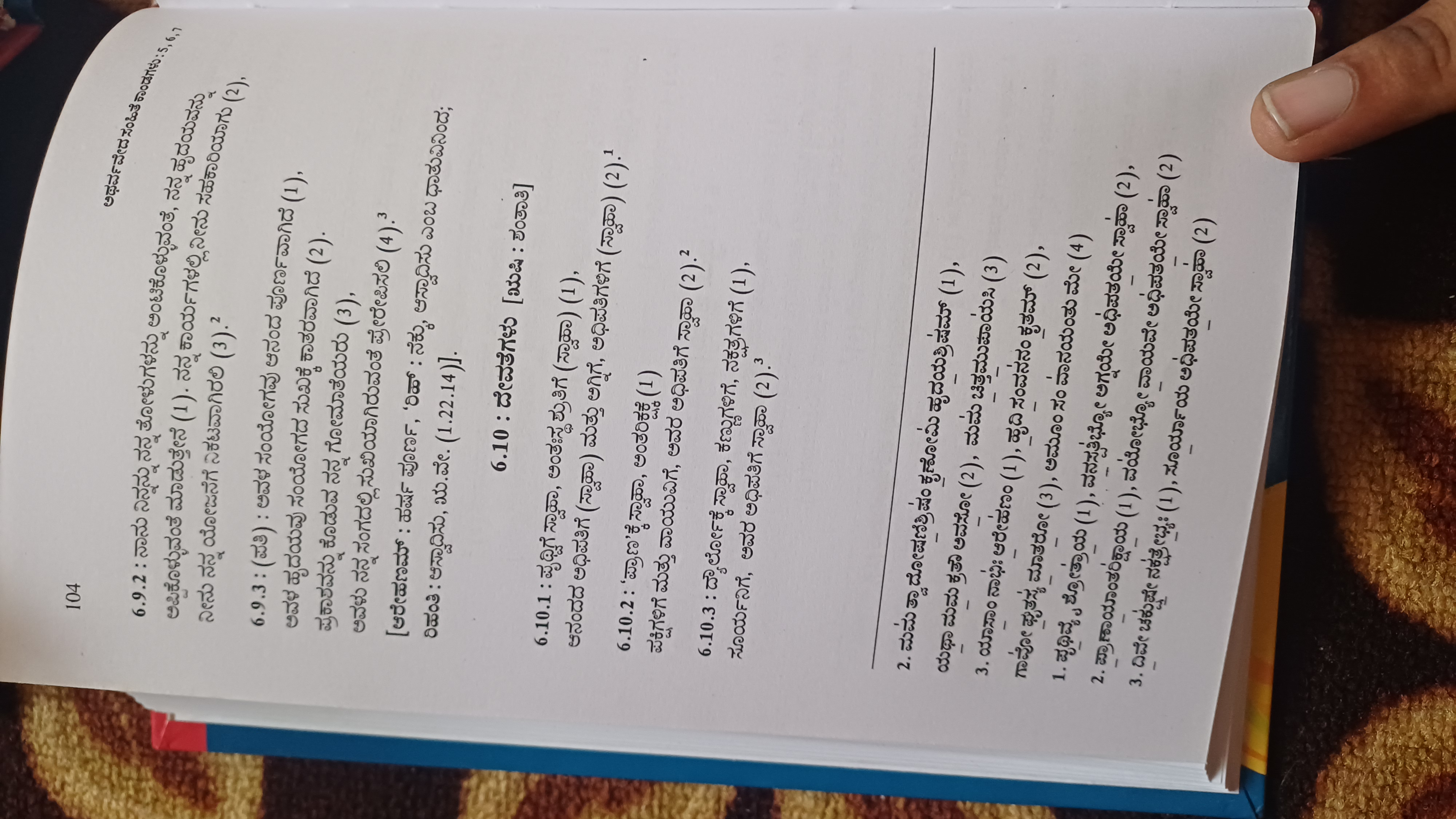
📜 Part 7: Kama, Striyah Prema & Devata (6.8 – 6.10)
In the next stage of our Atharva Veda analysis for marriage, we look at Kanda 6, Suktas 8, 9, and 10. These verses shift from the physical and protective aspects of the household to the emotional and spiritual union of the couple, focusing on Kama (Love/Desire), Striyah Prema (A woman's love), and the final divine alignment.
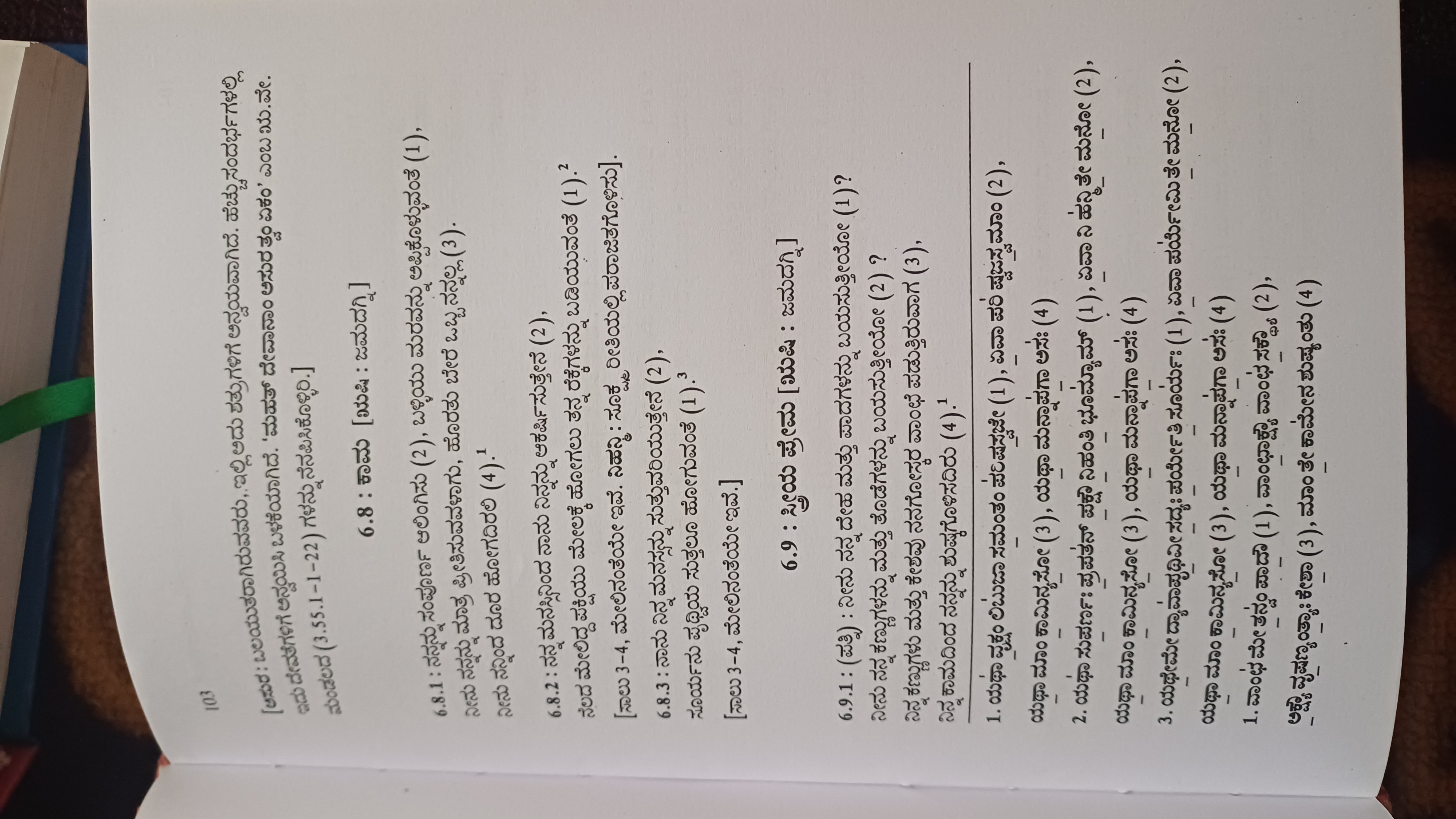
6.8: Kama (The Bond of Mutual Attraction)
This Sukta uses natural metaphors to describe the irresistible pull of love that binds a couple together.
Verse 6.8.1 — Sanskrit: यथा वृक्षं लिबुजा समन्तं परिषस्वजे । एवा परि ष्वजस्व मां यथा मां कामिन्यसो यथा मन्नापगा असः ॥ १ ॥
Meaning: "Just as the creeper (Libuja) completely entwines itself around the tree, so do you entwine yourself around me; so that you shall be loving me, and never depart from me."
Verse 6.8.2 — Sanskrit: यथा सुपर्णः प्रपतन् पक्षौ निहन्ति भूम्याम् । एवा नि हन्मि ते मनो यथा मां कामिन्यसो यथा मन्नापगा असः ॥ २ ॥
Meaning: "Just as the eagle (Suparna), as it flies, beats its wings upon the earth, so do I strike upon your mind; so that you shall be loving me, and never depart from me."
Verse 6.8.3 — Sanskrit: यथेमे द्यावापृथिवी सद्यः पर्येति सूर्यः । एवा पर्येमि ते मनो यथा मां कामिन्यसो यथा मन्नापगा असः ॥ ३ ॥
Meaning: "Just as the Sun circles around Heaven and Earth, so do I circle around your mind; so that you shall be loving me, and never depart from me."
6.9: Striyah Prema (The Devotion of the Spouse)
Verse 6.9.1 — Sanskrit: वाञ्छा मे तन्वं पादौ वाञ्छाक्ष्यो वाञ्छा सक्थ्यौ । अक्ष्योर्वृषण्यन्त्याः केशा मां ते कामेन शुष्यन्तु ॥ १ ॥
Meaning: "Desire my body, my feet; desire my eyes and my thighs. Let your eyes and your hair, full of longing, be dried up with love for me."
Verse 6.9.2 — Sanskrit: मम त्वा दोषणि श्रिषं मम हृदयं कृणोमि । यथा मम क्रतावसो मम चित्तमुपायसि ॥ २ ॥
Meaning: "I make you cling to my arms, I make you enter my heart; so that you shall be subject to my will, and follow my thought."
Verse 6.9.3 — Sanskrit: यासामनाभिरेहणं हृदि संवननं कृतम् । गावो घृतस्य मातरोऽमुं सं वानयन्तु मे ॥ ३ ॥
Meaning: "May the cows, the mothers of clarified butter (Ghrita), who have the power to win hearts, cause this person to be won over to me."
6.10: Devata (Divine Alignment of the Senses)
Verse 6.10.1 — Sanskrit: पृथिव्यै स्वाहान्तरिक्षाय स्वाहा । दिवे स्वाहा सूर्याय स्वाहा ॥ १ ॥
Meaning: "Hail (Swaha) to the Earth; Hail to the Atmosphere; Hail to the Sky; Hail to the Sun!"
Verse 6.10.2 — Sanskrit: प्राणाय स्वाहापानाय स्वाहा । व्यानाय स्वाहा चक्षुषे स्वाहा ॥ २ ॥
Meaning: "Hail to the Out-breath (Prana); Hail to the In-breath (Apana); Hail to the Pervasive breath (Vyana); Hail to the Sight!"
Verse 6.10.3 — Sanskrit: श्रोत्राय स्वाहा मनसे स्वाहा । वाचे स्वाहा सरस्वत्यै स्वाहा ॥ ३ ॥
Meaning: "Hail to the Hearing; Hail to the Mind; Hail to the Speech; Hail to Saraswati (Wisdom)!"
Institutional Analysis for your Marriage
- 6.8: Marriage is viewed as a total intertwining of lives, like the tree and the creeper — mutual attraction and psychological unity.
- 6.9: For the institution to be stable, there must be a shared Citta (mind/thought); the couple moves in sync.
- 6.10: A successful household must be in harmony with the Five Elements and the Senses; your marriage is a smaller reflection of the universe itself.
📜 Part 8: Putra Janana, Poison Removal & Srishti (6.11, 6.12, 6.61, 6.62)
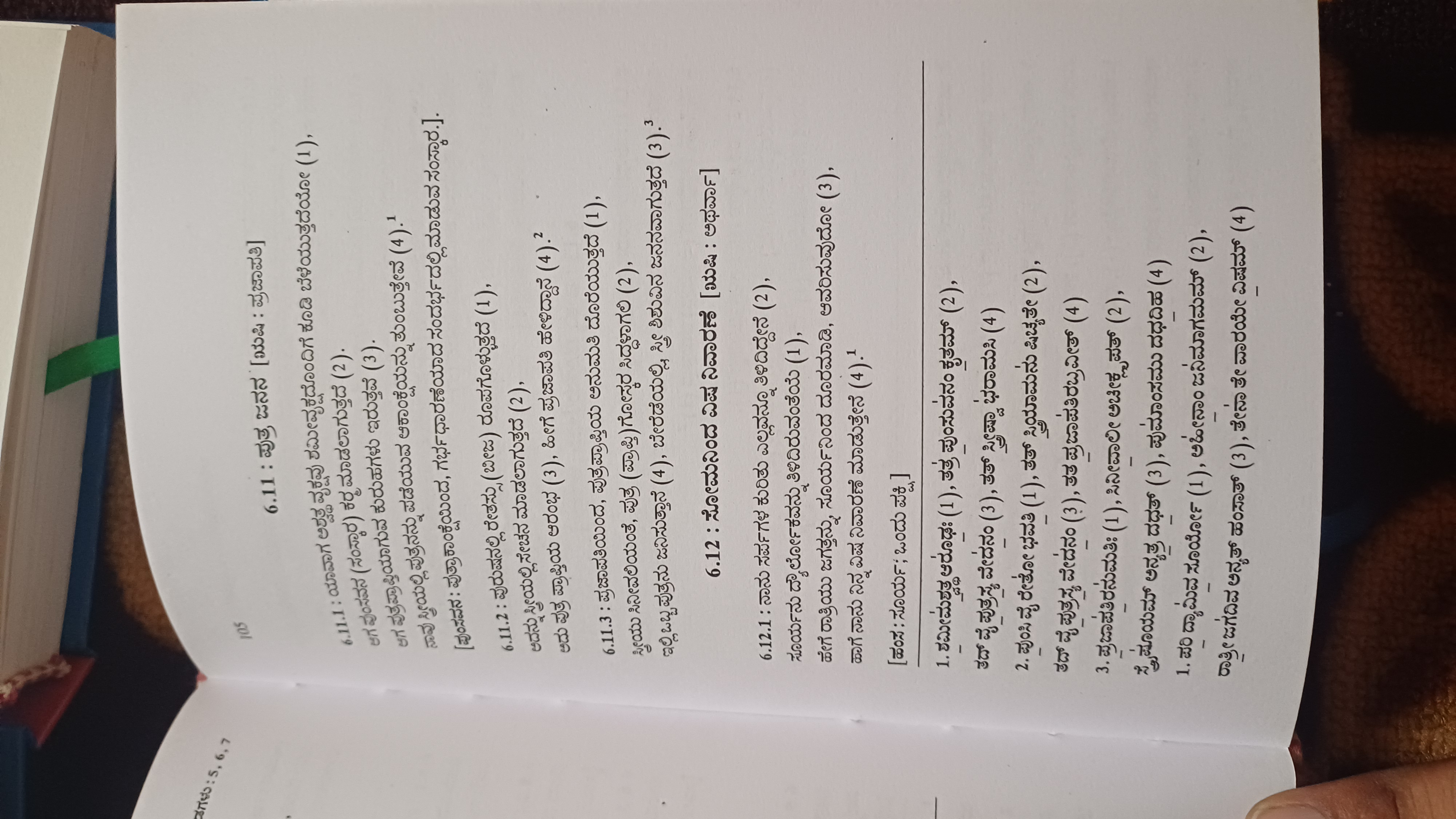
6.11: Putra Janana (The Birth of a Son)
These verses focus on the Pumsavana ritual, performed during pregnancy for the healthy development of the child and to invoke noble qualities in the progeny.
Verse 6.11.1 — Sanskrit: शमीमश्वत्थ आरूढः (१), तत्र पुंसवनं कृतम् (२) । तद् वै पुत्रस्य वेदनं (३), तत् स्त्रीष्वा भरामसि (४) ॥ १ ॥
Meaning: "Just as the Ashvattha tree grows upon the Shami tree (as a powerful union), there the Pumsavana (ritual for a son) is performed. That is truly the means of obtaining a son; we bring that desire and capability into women."
Verse 6.11.2 — Sanskrit: पुंसि वै रेतो भवति (१), तत् स्त्रियामनु षिच्यते (२) । तद् वै पुत्रस्य वेदनं (३), तत् प्रजापतिरब्रवीत् (४) ॥ २ ॥
Meaning: "The seed indeed resides in the man, and it is infused into the woman. That is the true way of obtaining a son, as declared by Prajapati (the Lord of Progeny)."
Verse 6.11.3 — Sanskrit: प्रजापतिरनुमतिः (१), सिनीवाच्यचिक्ळपत् (२) । स्त्रैषूयमन्यत्र दधत् (३), पुमांसमु दधदिह (४) ॥ ३ ॥
Meaning: "Prajapati, Anumati, and Sinivali have ordained this. Placing the birth of females elsewhere, may they establish the birth of a male child here."
6.12: Poison Removal (Soma as Healer)
In the institutional context of marriage and the home, this refers to the removal of negativity or "toxic" influences through divine knowledge.
Verse 6.12.1 — Sanskrit: परि द्यामिवा सूर्यो (१), अह्नां जनिमागमाम् (२) । रात्रिं जगदिवान्युत् हंसात् (३), तेना ते वारये विषम् (४) ॥ १ ॥
Meaning: "Like the Sun circling the heavens, I have come to the birth of days. Like the night gives way to the world, or the swan moves through water, I drive away the poison from you."
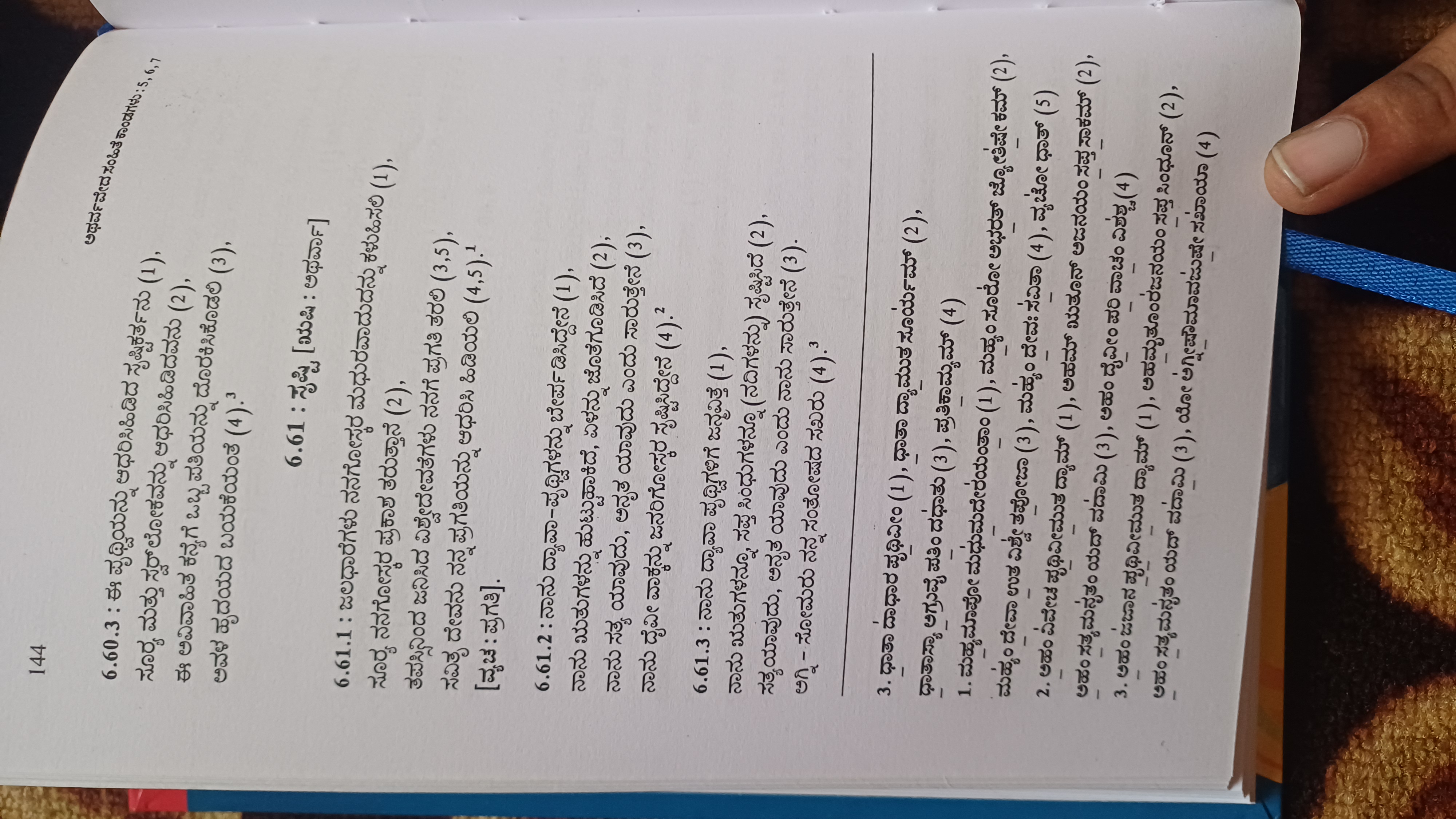
6.61: Srishti (Creation and Universal Truth)
These verses are often used in the context of the Hosa Manegagi Maduva Sanketika Yajna (Symbolic sacrifice for a new house) to align the new home with universal truths.
Verse 6.61.1 — Sanskrit: मधुमन्मे मध्वदेयन्तां (१), मधुं सूर्यो अभरत् ज्योतिष्मत्यै (२) । मधुं देवा उत विश्वे तपोजा (३), मधुं देवः सविता (४), वर्चो धात् (५) ॥ १ ॥
Meaning: "Let the water-streams send me sweetness. The Sun has brought sweetness for the radiant Earth. May the Visvedevas born of penance, and the divine Savita, grant me sweetness and splendor (Varchas)."
Verse 6.61.2 — Sanskrit: अहं विवेच पृथिवीमुत द्याम् (१), अहमृतूनजनयं सप्त साकम् (२) । अहं सत्यमनृतं यद् वदामि (३), अहं दैवीं परि वाचम् विवक्ष (४) ॥ २ ॥
Meaning: "I have separated the Earth and the Sky. I have brought forth the seven seasons together. I declare what is Truth and what is False; I speak the divine speech."
Verse 6.61.3 — Sanskrit: अहं जज्ञान पृथिवीमुत द्याम् (१), अहमृतूनजनयं सप्त सिन्धून् (२) । अहं सत्यमनृतं यद् वदामि (३), यो अग्निष्टोमावजुषे सहाया (४) ॥ ३ ॥
Meaning: "I have given birth to the Earth and the Sky; I have brought forth the seasons and the seven rivers. I declare the Truth; Agni and Soma are my helpers in this joy."
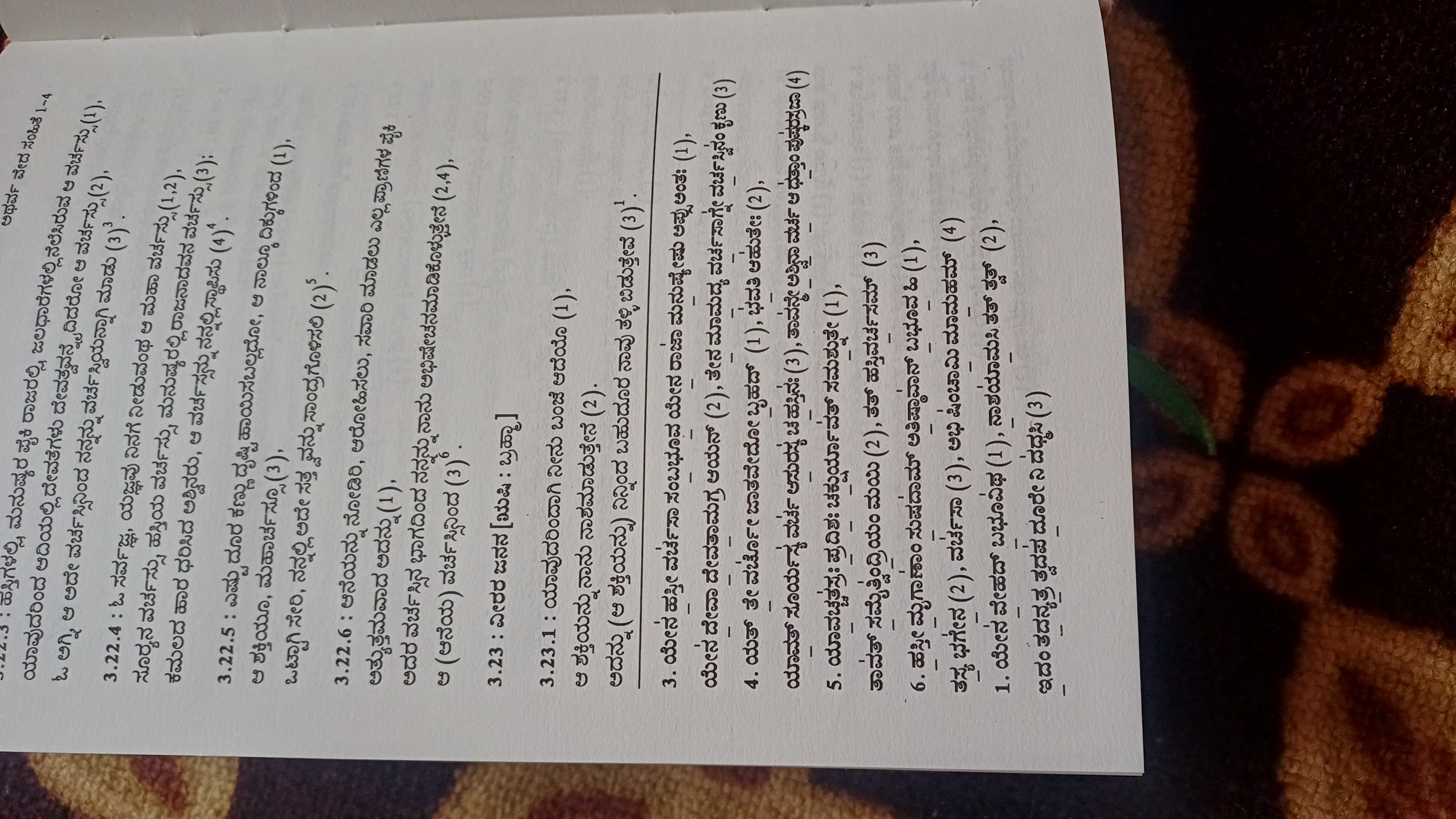
6.62 / 6.60.3: Alignment with the Sun and Senses
Verse 6.60.3 (Transition) — Sanskrit: धाता दाधार पृथिवीं (१), धाता द्यामुत सूर्यम् (२) । धातास्या अग्रुवै पतिं दधातु (३), प्रतिकाम्यम् (४) ॥ ३ ॥
Meaning: "The Ordainer (Dhata) upholds the Earth; the Ordainer upholds the Sky and the Sun. May the Ordainer provide a husband for this maiden—one who is compatible and desired."
(Note: While 6.62 was referenced, the image for this section covers the continuation of 6.60 (Yuvatige Pati) and 6.61 prayers.)
Summary for your Wedding Preparation
- 6.11 establishes the intent for a healthy and noble family line (Putra Janana).
- 6.12 serves as a prayer to keep the "poison" of discord and negativity away from the home.
- 6.61 is the foundational prayer for a New Home (Griha-Pravesha context), asking for a life filled with "Madhu" (sweetness/harmony) and "Satyam" (Truth).
Part 1 concludes here. All content has been retained and formatted for the site, with Sanskrit verses in blockquotes/emphasis, emojis for tone, and verse images from the Published-Vedic_studies folder placed at the corresponding sections. 🕉️🙏